






Changing your hair color can completely transform your appearance, but choosing the right highlighting technique is just as important as selecting the perfect shade. Many people struggle to decide between partial highlights and full highlights because both create beautiful results in different ways.
The best choice depends on your hair type, maintenance routine, budget, and the final look you want to achieve. Some people prefer a soft, natural glow, while others want a bold all-over color transformation. Understanding the difference between partial and full highlights can help you avoid costly salon mistakes and get results you truly love.
What Are Partial Highlights?
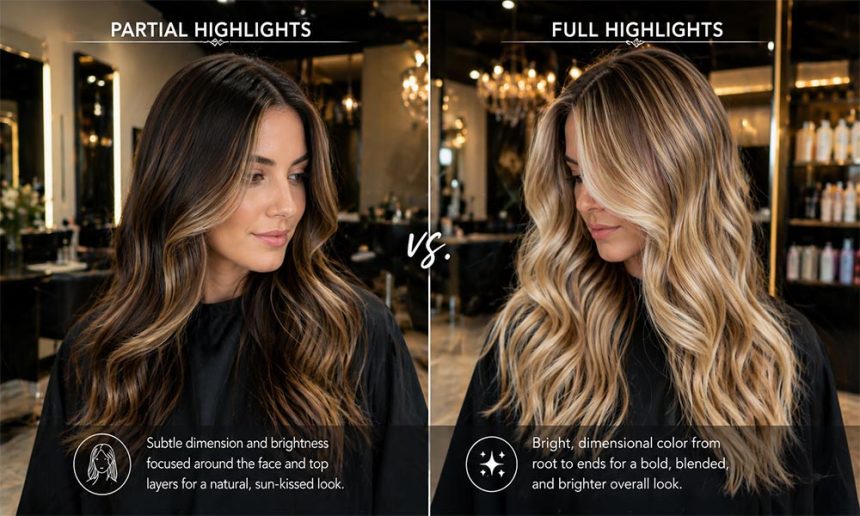
Partial highlights focus on specific sections of the hair rather than the entire head. A stylist usually places lighter strands around the crown, face frame, and top layers to create dimension and brightness without coloring every section.
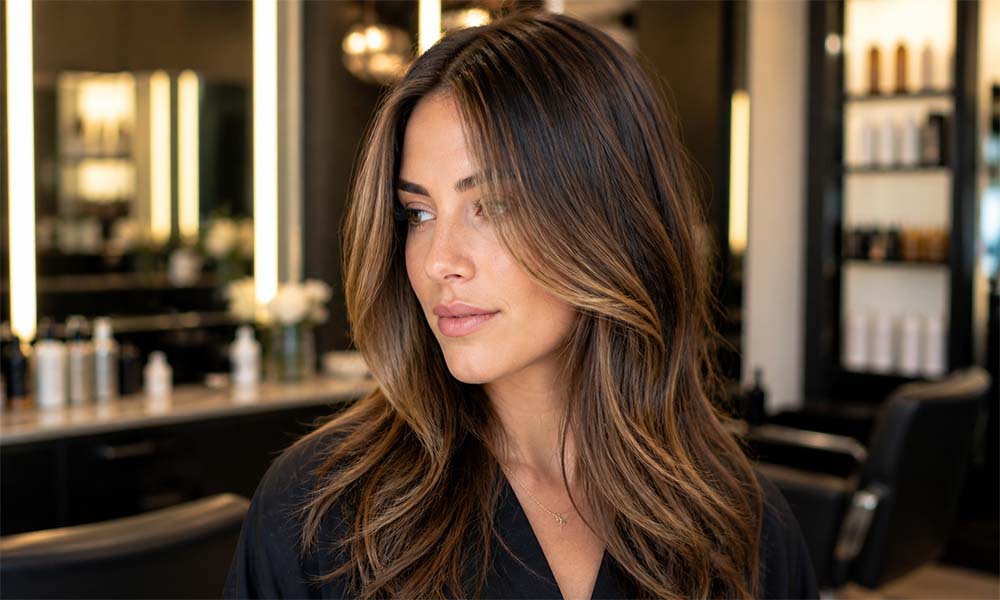
This technique is popular among people who want a subtle, sun-kissed appearance without committing to a dramatic change. Partial highlights often blend naturally with your base color and require less upkeep compared to full head highlights.


Benefits of Partial Highlights
- More affordable than full highlights
- Lower maintenance
- Faster salon appointments
- Creates natural-looking highlights
- Less damage to the hair
- Ideal for beginners trying hair lightening for the first time
Partial highlights work especially well for brunettes and dark hair because they add brightness without overwhelming the natural color.
What Are Full Highlights?
Full highlights involve coloring strands throughout the entire head, including the underneath sections. This technique creates a more dramatic transformation and gives the hair a brighter, more dimensional appearance from every angle.
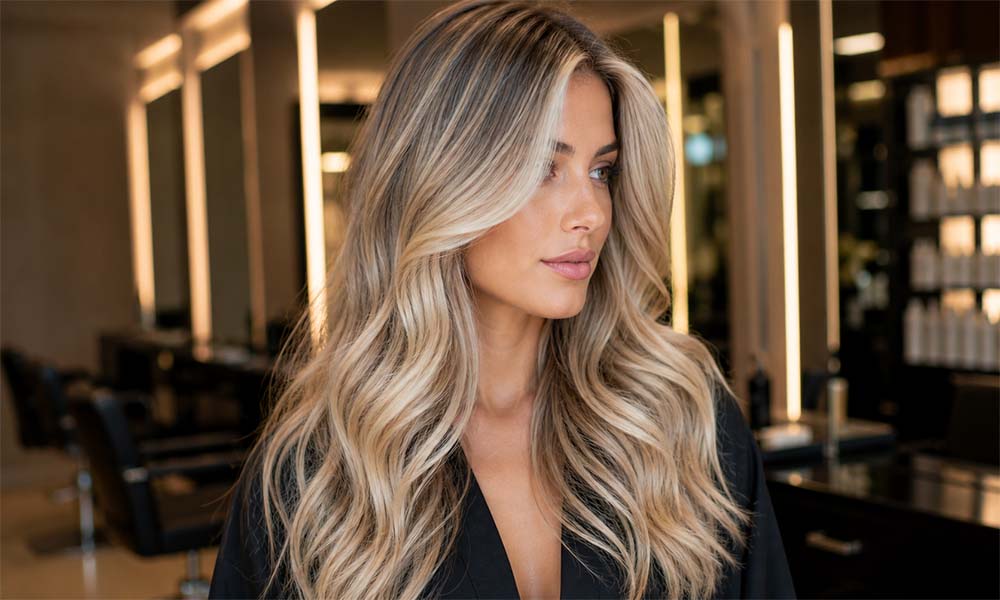
People often choose full highlights when they want a major hair color refresh, a lighter overall appearance, or stronger contrast between shades.
Benefits of Full Highlights
- Complete color transformation
- More noticeable brightness
- Better for significant hair lightening
- Creates high contrast hair color
- Works well for blonde transformations
- Excellent for gray blending and coverage
Full highlight hair color treatments are common among clients who want a salon-finished look with maximum dimension.
Difference Between Partial and Full Highlights
Understanding the key differences between partial highlights vs full highlights can make your salon decision much easier.
| Feature | Partial Highlights | Full Highlights |
| Coverage | Top and front sections | Entire head |
| Appearance | Soft and subtle | Bold and bright |
| Maintenance | Lower | Higher |
| Cost | More budget-friendly | More expensive |
| Salon Time | Shorter appointment | Longer appointment |
| Hair Damage | Less exposure to bleach | More overall processing |
| Best For | Natural enhancement | Dramatic color change |
If you prefer subtle vs dramatic highlights, this comparison clearly shows how different the final results can be.
Partial Highlights vs Full Highlights Cost
One of the biggest deciding factors for many people is price. Full head highlights typically cost more because they require additional foils, more product, and longer processing time.
Although prices vary by salon and location, partial highlights usually cost significantly less than full highlights.
Average Salon Price Range
- Partial highlights: $70–$150
- Full highlights: $120–$300+
Luxury salons and color correction services may charge even more depending on hair length and complexity.
Which Option Looks More Natural?
If your goal is soft dimensional hair color, partial highlights usually provide the most natural-looking results. Because fewer sections are lightened, the contrast appears softer and blends more seamlessly into the base shade.
Face framing highlights are especially popular because they brighten the complexion while keeping most of the natural hair color intact.
Full highlights, on the other hand, create a brighter and more polished salon finish. They are ideal for people who want noticeable color blending and a stronger transformation.
Partial Highlights on Dark Hair
Partial highlights on dark hair are extremely popular because they create brightness without excessive bleaching. Caramel, honey, and chestnut tones can soften dark shades beautifully while maintaining depth.
For brunettes, partial highlights often provide enough contrast to refresh the hair without making it look overprocessed.
Best Shades for Dark Hair
- Caramel highlights
- Honey blonde
- Warm mocha tones
- Chocolate balayage
- Soft copper ribbons
These shades create natural-looking highlights that complement deeper base colors.
Full Highlights on Brown Hair
Full highlights on brown hair create a brighter overall appearance and can completely change the tone of the hair. Many people choose full head highlights when transitioning toward blonde shades.

Cool beige blonde, ash brown, and buttery blonde tones are commonly used to add dimension and reduce flatness in darker hair.
This option works best for those comfortable with regular salon visits and root touch-ups.
Balayage vs Full Highlights
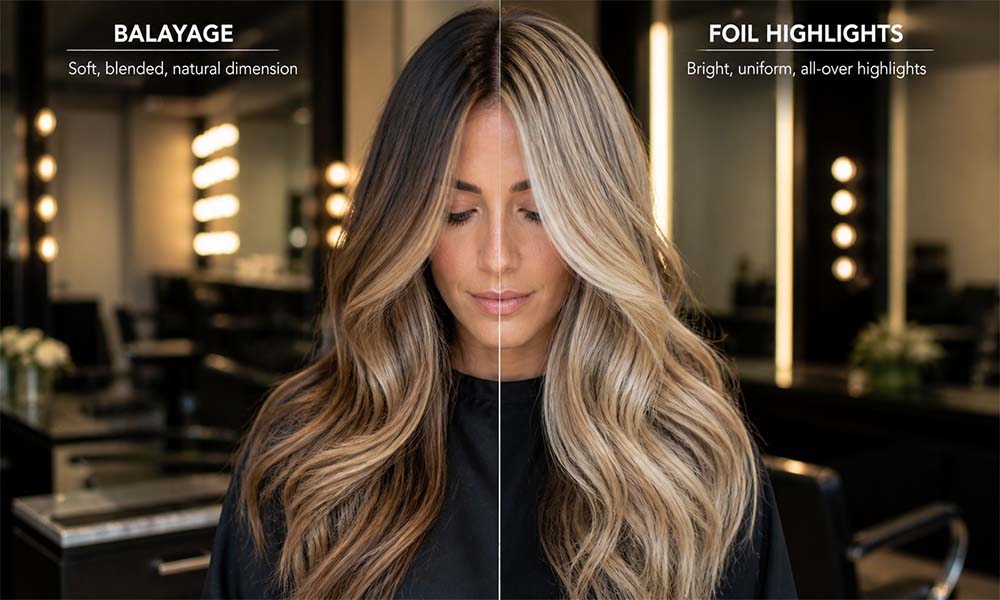
Many people confuse balayage with traditional foil highlights, but the techniques are different.
Balayage is hand-painted and creates a softer gradient effect, while full highlights use foils to produce brighter and more evenly distributed lightness.
Balayage Is Better For:
- Low maintenance hair highlights
- Soft color transitions
- Lived-in hair color
Full Highlights Are Better For:
- Maximum brightness
- Strong blonde results
- More structured color placement
Both techniques can create beautiful dimensional hair color depending on the style you prefer.
Partial Highlights Maintenance
Partial highlights maintenance is generally easier because there is less visible regrowth. Most people only need touch-ups every 10 to 14 weeks.
To keep highlights fresh:
- Use sulfate-free shampoo
- Apply purple shampoo if blonde tones become brassy
- Limit heat styling
- Use moisturizing hair masks regularly
Because less hair is processed, partial highlights often maintain healthier texture over time.
Full Highlights Maintenance
Full highlights require more frequent salon maintenance since root growth becomes noticeable faster. Most clients return every 6 to 10 weeks for touch-ups.
Hair lightening across the entire head may also increase dryness, making deep conditioning treatments essential.
Maintaining full highlight hair color often requires:
- Toners
- Gloss treatments
- Heat protection
- Bond-repair products
People with heavily lightened hair should prioritize hydration to reduce breakage.
Which Highlights Are Best for Different Hair Types?
Fine Hair
Partial highlights can add dimension and make fine hair appear fuller without excessive processing.
Thick Hair
Full highlights work well on thick hair because they distribute brightness evenly throughout dense layers.
Curly Hair
Partial highlights often enhance curls beautifully because strategically placed lighter strands create movement and definition.
Straight Hair
Full highlights can add texture and depth to straight hair that may otherwise appear flat.
Partial Highlights for Beginners
If you have never colored your hair before, partial highlights are usually the safest starting point. The softer effect allows you to experiment with color blending without fully committing to a dramatic transformation.
Many stylists recommend partial highlights for beginners because:
- The maintenance is easier
- Regrowth looks softer
- The process is less damaging
- Corrections are simpler if needed
It is also a great way to test how lighter tones complement your skin tone.
Full Highlights for Gray Coverage
People with early gray hair often choose full highlights because the lighter strands help blend silver roots naturally.
Adding brightness throughout the hair can make gray regrowth less noticeable between appointments. Blonde tones especially help soften the contrast between natural hair and gray strands.
Pros and Cons of Partial vs Full Highlights
Partial Highlights Pros
- More natural appearance
- Lower salon cost
- Easier maintenance
- Less damage
Partial Highlights Cons
- Less dramatic transformation
- Limited brightness
- May not fully cover gray hair
Full Highlights Pros
- Brighter overall look
- Strong color impact
- Better for major transformations
- Excellent dimension
Full Highlights Cons
- Higher maintenance
- More expensive
- Increased hair dryness
- Longer salon sessions
How to Choose Between Partial and Full Highlights
The best option depends on your goals and lifestyle.
Choose partial highlights if you:
- Want subtle brightness
- Prefer lower maintenance
- Have a limited budget
- Like natural-looking highlights
Choose full highlights if you:
- Want a bold transformation
- Plan to go significantly lighter
- Don’t mind regular salon visits
- Prefer maximum brightness and dimension
Consulting with a professional stylist is always the best way to determine which highlighting technique matches your hair texture, skin tone, and long-term color goals.
Final Thoughts
Choosing between partial vs full highlights ultimately comes down to how dramatic you want your hair transformation to be. Partial highlights offer a softer and more low-maintenance approach, while full highlights create brighter, more noticeable dimension throughout the entire head.
Both techniques can look stunning when customized correctly for your hair type and personal style. Whether you prefer subtle face framing highlights or a full blonde transformation, selecting the right method will help you achieve healthier, more flattering results that fit your lifestyle and maintenance preferences.
Frequently Asked Questions
Are partial highlights better than full highlights?
Neither option is universally better. Partial highlights are ideal for natural enhancement and easier maintenance, while full highlights are better for dramatic brightness and major color changes.
How long do partial highlights last?
Partial highlights typically last around 10 to 14 weeks before requiring a touch-up, depending on hair growth and maintenance.
Do full highlights damage hair more?
Because more hair is processed, full highlights can cause additional dryness compared to partial highlights. Proper hair care helps minimize damage.
Can brunettes get full highlights?
Yes, brunettes can get full highlights using shades like caramel, honey blonde, ash brown, or beige blonde for added dimension.
Which option is more affordable?
Partial highlights are usually more budget-friendly because they require less product and salon time.
Are balayage and highlights the same?
No. Balayage is a hand-painted technique that creates softer transitions, while traditional highlights use foils for more structured brightness.