







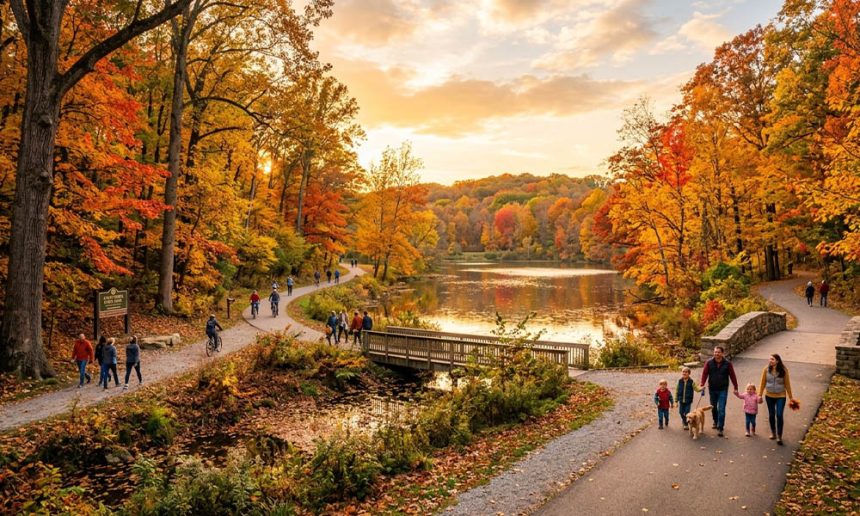
Nature lovers in Ohio are increasingly searching for peaceful outdoor destinations filled with history, beauty, and environmental importance. One fascinating topic attracting attention is the growing interest in Lewis Center Ohio champion trees. These massive and historic trees are more than just part of the landscape they represent Ohio’s natural heritage and ecological diversity.
From towering oaks to rare native hardwoods, champion trees in Ohio are officially recognized for their extraordinary size, height, and trunk circumference. Whether you enjoy forestry, hiking, photography, or simply exploring hidden gems, Lewis Center offers access to some impressive natural landmarks worth visiting.
What Are Champion Trees?
Champion trees are the largest known trees of a particular species within a region or state. These trees are measured based on:
- Trunk circumference
- Tree height
- Average crown spread
The combined score determines whether a tree qualifies for a state champion title.



The Ohio Champion Tree Program helps identify and preserve these remarkable trees across the state. Many of these trees are centuries old and play an important role in local ecosystems.
Why Lewis Center Ohio Is Gaining Attention for Champion Trees
Lewis Center, located in Delaware County, Ohio, is known for its suburban growth, parks, green spaces, and natural beauty. Despite modern development, the area still contains mature native trees and protected woodland sections that support Ohio’s urban forest system.
Several factors make Lewis Center ideal for large and historic trees:
- Fertile soil conditions
- Seasonal climate suitable for hardwood growth
- Long-standing conservation efforts
- Expanding park systems and green corridors
Residents and visitors often explore local parks and wooded areas looking for giant sycamores, oak trees, maples, and tulip trees.
Common Champion Tree Species Found in Ohio
While not every champion tree is officially located in Lewis Center, the area supports many native species associated with Ohio’s big tree registry.
White Oak
White oaks are among the most iconic and longest-living trees in Ohio. These trees can survive for hundreds of years and develop enormous trunks.
Features:
- Broad canopy
- Thick bark
- Massive branch systems
- Important wildlife habitat
American Sycamore
The American sycamore is famous for its gigantic trunk diameter and striking bark patterns. Some of Ohio’s largest sycamores rank among the biggest trees in the Midwest.
Tulip Tree
Also known as tulip poplar, this species grows exceptionally tall and is common in rich woodland environments.
Benefits include:
- Fast growth
- Shade production
- Pollinator support
Sugar Maple
Sugar maples contribute heavily to Ohio’s fall foliage beauty. Mature specimens can become extremely large under the right environmental conditions.
How Champion Trees Are Measured
The process of identifying champion trees is highly standardized. Forestry experts and volunteers use a point-based measurement system.
The score includes:
| Measurement Type | Importance |
| Circumference | Measures trunk size |
| Height | Determines vertical growth |
| Crown Spread | Evaluates canopy width |
The final score determines ranking in the Ohio tree registry.
Tree measurement helps scientists monitor:
- Forest health
- Biodiversity
- Species longevity
- Environmental change
Best Places Near Lewis Center Ohio to See Large Trees
If you want to explore historic trees and natural landscapes, several nearby locations offer excellent opportunities.

Highbanks Metro Park
This popular destination features mature woodlands, scenic trails, and native hardwood forests.
Visitors enjoy:
- Hiking paths
- River overlooks
- Wildlife viewing
- Seasonal photography
Alum Creek State Park
Known for outdoor recreation, this area also contains old-growth sections and large native trees.
Activities include:
- Nature walks
- Camping
- Birdwatching
- Forest exploration
Delaware County Preservation Parks
Several preserved areas throughout Delaware County protect natural habitats and older tree populations.
These parks support:
- Tree conservation
- Native species restoration
- Environmental education
Why Champion Trees Matter
Champion trees are important for more than aesthetics. They provide critical environmental and ecological benefits.
Environmental Benefits
Large trees help:
- Improve air quality
- Reduce urban heat
- Absorb carbon dioxide
- Prevent soil erosion
Wildlife Support
Old-growth trees create habitats for:
- Birds
- Squirrels
- Pollinators
- Insects
- Small mammals
Historical Importance
Many heritage trees existed long before surrounding communities developed. Some trees may be older than nearby roads, neighborhoods, or towns themselves.
Ohio’s Champion Tree Program
The Ohio Champion Tree Program encourages residents to identify and report unusually large trees across the state.
The program focuses on:
- Tree preservation
- Public awareness
- Forestry education
- Biodiversity conservation
Certified arborists and forestry professionals verify measurements before official recognition.
This initiative helps protect rare and historic trees from unnecessary removal or environmental damage.
Threats Facing Large Trees in Ohio
Even massive trees face serious environmental risks.
Urban Development
Expanding residential and commercial projects can reduce natural woodland areas.
Severe Weather
Storms, lightning, drought, and strong winds can weaken aging trees.
Disease and Invasive Species
Common threats include:
- Emerald ash borer
- Fungal infections
- Root damage
- Soil compaction
Climate Change
Changing weather patterns may impact long-term tree survival and forest stability.
How Communities Help Protect Champion Trees
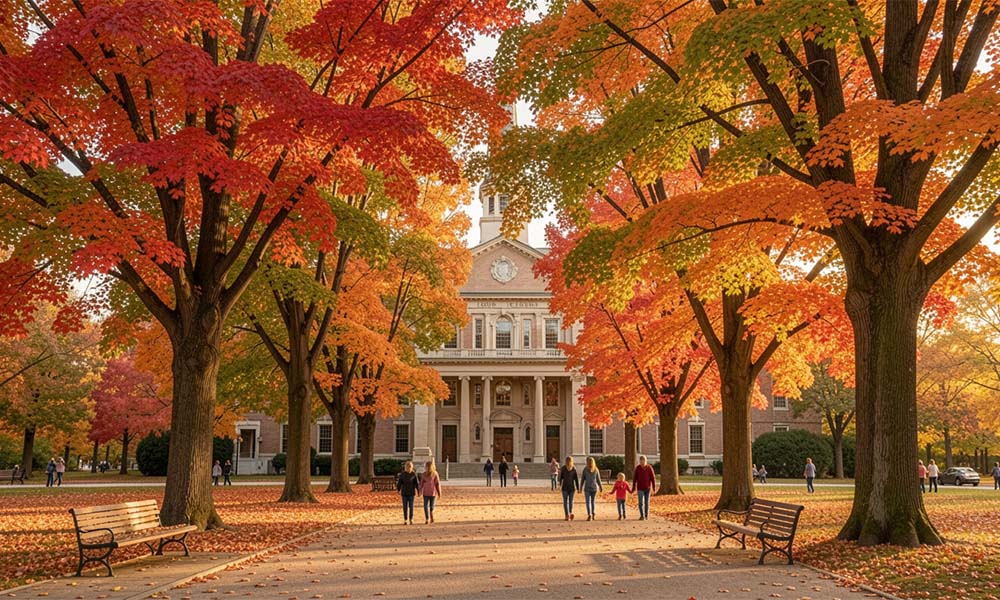
Local conservation organizations and community groups play a major role in tree preservation.
Efforts often include:
- Educational programs
- Tree planting initiatives
- Park maintenance
- Environmental awareness campaigns
Many Ohio residents also participate in urban forestry projects to expand tree canopy coverage.
Tips for Visiting Champion Trees Responsibly
When exploring natural areas, responsible behavior helps preserve these trees for future generations.
Follow Park Rules
Stay on designated trails and avoid restricted areas.
Avoid Damaging Roots
Do not climb trees or compact soil near exposed root systems.
Respect Wildlife
Large trees support diverse ecosystems that should remain undisturbed.
Leave No Trace
Carry out trash and avoid harming vegetation.
Best Seasons to Explore Lewis Center Ohio Trees
Every season offers a unique experience.
| Season | Highlights |
| Spring | Fresh foliage and blooming landscapes |
| Summer | Dense green canopies and shaded trails |
| Fall | Colorful autumn leaves |
| Winter | Visible tree structure and bark detail |
Fall is especially popular for photography and scenic nature walks.
Future of Tree Conservation in Ohio
As communities continue growing, preserving mature trees becomes increasingly important. Environmental experts emphasize balancing urban development with green space protection.
Future conservation efforts may include:
- Expanded urban forests
- Stronger tree protection policies
- Community planting programs
- Improved environmental education
Protecting champion trees ensures future generations can continue enjoying Ohio’s natural beauty.
Final Thoughts
Lewis Center Ohio champion trees represent an important connection between nature, history, and environmental conservation. These towering giants showcase the strength and beauty of Ohio’s native forests while supporting wildlife and improving local ecosystems.
Whether you are a nature enthusiast, photographer, hiker, or local resident, exploring the largest and oldest trees in Ohio can be a rewarding experience. From white oaks to massive sycamores, these natural landmarks remind us why tree preservation matters.
As interest in outdoor recreation and environmental awareness continues growing, champion trees in Ohio will remain valuable symbols of the state’s rich natural heritage.