







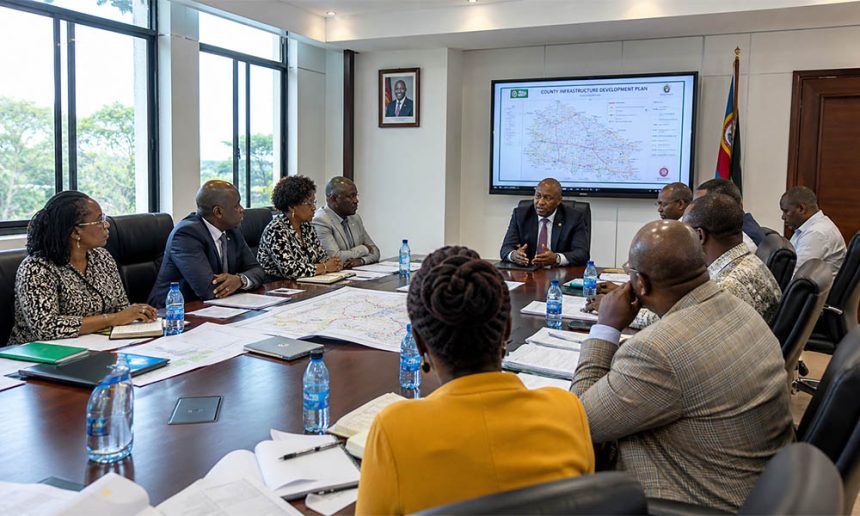
Local governments need a clear strategy to manage growth, improve public services, and use resources effectively. That is where a county integrated development plan becomes important. A county cannot improve roads, healthcare, education, water systems, and economic opportunities without a long-term plan that connects all sectors together.
In many countries, especially those using devolved systems of government, a county integrated development plan helps leaders organize projects, prioritize budgets, and address community needs in a structured way. Instead of working on isolated projects, counties follow a coordinated development framework designed to improve the quality of life for residents over several years.
What Is a County Integrated Development Plan?
A county integrated development plan (CIDP) is a long-term roadmap created by county authorities to organize development projects, manage resources, and set priorities for future community growth. It outlines the county’s goals, priorities, projects, budgeting strategies, and implementation framework.
The main purpose of integrated development planning is to ensure that all sectors of county development work together instead of operating separately. This includes:



- Infrastructure development
- Healthcare services
- Education projects
- Water and sanitation systems
- Agriculture programs
- Environmental protection
- Economic growth initiatives
- Social welfare programs
The plan acts as a roadmap for county governments. It identifies the county’s current challenges, available resources, and future opportunities while aligning development goals with national policies and community needs.
Why Does a County Integrated Development Plan Matter?
A county integrated development plan helps local governments make smarter decisions by organizing development priorities, improving service delivery, and ensuring public funds are used in a more effective and transparent way.
Here are some major reasons why CIDPs matter.
1. Improves Resource Allocation
Counties usually work with limited budgets. A development plan helps leaders decide which projects should receive funding first based on urgency and public impact.
For example, a county facing water shortages may prioritize water infrastructure before recreational projects.
2. Supports Sustainable Development
Integrated development planning focuses on long-term progress instead of short-term political goals. Counties can invest in projects that continue benefiting future generations.
3. Encourages Public Participation
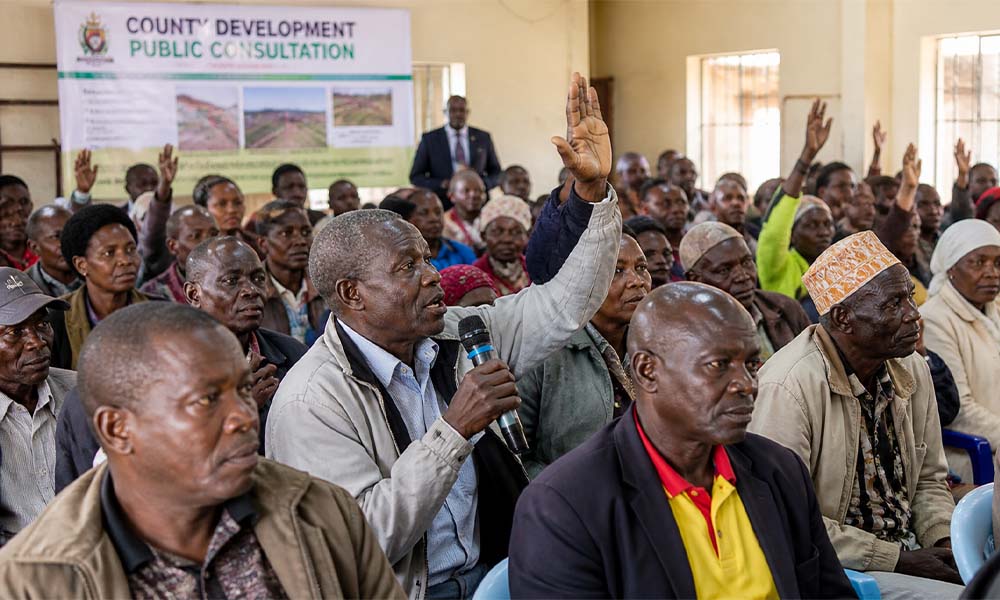
Most county governments involve citizens during the planning process. Residents can suggest projects, discuss community needs, and provide feedback.
This public participation creates more transparent governance and helps officials understand local priorities.
4. Enhances Coordination Between Departments
Health, transport, agriculture, and education departments often work independently. A county strategic development plan ensures all departments follow the same long-term goals.
5. Strengthens Accountability
A clear plan makes it easier for citizens and oversight bodies to monitor government performance. Officials can be evaluated based on whether they complete the promised projects.
Main Objectives of a County Integrated Development Plan
Every county may have different priorities, but most CIDPs share similar objectives.
Economic Development
One of the key goals is to stimulate local economic growth through investments in business, agriculture, tourism, and infrastructure.
Counties may create programs that:
- Support small businesses
- Improve market access
- Encourage investment opportunities
- Develop industrial zones
- Promote job creation
Better Public Services
A county integrated development plan aims to improve services such as:
- Healthcare facilities
- Public schools
- Clean water supply
- Waste management
- Public transportation
Improved services directly affect living standards and community well-being.
Infrastructure Expansion
Roads, bridges, electricity, internet connectivity, and drainage systems are essential for development. Counties often allocate major portions of their budgets to infrastructure projects.

Environmental Sustainability
Modern development planning also includes environmental protection measures such as:
- Forest conservation
- Climate adaptation
- Water resource management
- Pollution control
Social Inclusion
A good county development planning process considers vulnerable groups, including:
- Women
- Youth
- People with disabilities
- Rural communities
The goal is to ensure development benefits all residents equally.
The County Development Planning Process
Creating a county integrated development plan involves several important stages. Each step helps ensure the final document reflects real community needs and achievable goals.
1. Situation Analysis
County officials first assess the current condition of the county.
This includes studying:
- Population trends
- Economic activities
- Infrastructure gaps
- Health statistics
- Education levels
- Environmental challenges
The information helps planners identify priority areas.
2. Public Participation
Public involvement is one of the most important parts of integrated development planning.
Governments organize:
- Community meetings
- Stakeholder forums
- Public consultations
- Surveys and feedback sessions
Residents can share concerns and recommend projects that matter most to their communities.
3. Setting Development Priorities
After collecting data and public opinions, county leaders determine which sectors need urgent attention.
For example:
- A drought-prone county may focus on irrigation projects
- A growing urban county may prioritize roads and housing
4. Budget Planning
Projects must match available financial resources.
The CIDP includes estimated costs, funding sources, and implementation timelines. Counties may receive funding from:
- National government allocations
- Local revenue collection
- Development partners
- International donors
5. Implementation Strategy
The county government assigns responsibilities to departments and creates timelines for project execution.
This phase explains:
- Who will manage projects
- When projects will start
- Expected outcomes
- Monitoring procedures
6. Monitoring and Evaluation
Progress must be tracked regularly.
Counties evaluate whether:
- Projects are completed on time
- Budgets are used properly
- Goals are being achieved
Monitoring improves accountability and allows adjustments where necessary.
Core Elements Included in a County Integrated Development Plan
A county integrated development plan is usually structured around several important sections that guide decision-making, project implementation, budgeting, and long-term community growth.
Vision and Mission
This explains the county’s long-term goals and development philosophy.
Sectoral Plans
Separate plans are created for sectors like:
- Health
- Agriculture
- Education
- Roads
- Water
- Trade
Financial Framework
The financial section outlines:
- Revenue projections
- Budget allocations
- Funding strategies
Spatial Planning
This identifies land use priorities and future urban development patterns.
Risk Management
Counties must prepare for risks such as:
- Floods
- Droughts
- Economic instability
- Population growth
Benefits of Integrated Development Planning
A well-prepared county integrated development plan creates both short-term and long-term advantages.
Faster Economic Growth
Planned infrastructure and investment projects help attract businesses and create employment opportunities.
Reduced Waste of Public Funds
Proper planning prevents duplication of projects and inefficient spending.
Improved Quality of Life
Citizens benefit from:
- Better roads
- Improved healthcare
- Access to clean water
- Enhanced education systems
Stronger Community Trust
When residents see projects completed successfully, trust in local government increases.
Long-Term Stability
Development becomes more consistent even when political leadership changes.
Challenges Facing County Integrated Development Plans
Despite their importance, many counties face obstacles during implementation.
Limited Funding
Some counties struggle to finance large projects due to budget shortages.
Political Interference
Political interests sometimes shift priorities away from community needs.
Weak Public Participation
In some areas, citizens may not fully participate because of limited awareness or accessibility issues.
Poor Project Management
Lack of technical expertise can delay projects or reduce their effectiveness.
Corruption and Misuse of Funds
Financial mismanagement can affect project completion and reduce public trust.
Long-Term Impact of County Integrated Development Plans
A successful county integrated development plan can transform communities over time.
Improved Infrastructure Networks
Roads, electricity, water systems, and internet connectivity improve business growth and mobility.
Better Healthcare and Education
Counties can expand hospitals, clinics, schools, and training institutions, leading to healthier and more educated populations.
Increased Investment Opportunities
Well-planned counties often attract investors because infrastructure and governance systems become more reliable.
Reduced Poverty Levels
Economic development programs create jobs and improve household incomes.
Sustainable Urban Growth
Integrated planning helps counties manage population growth while protecting the environment.
Real-World Example of Integrated County Planning
Imagine a county experiencing rapid urban growth but facing poor roads, water shortages, and unemployment.
Without planning, leaders may focus only on visible projects that offer short-term political gains. However, with a proper county strategic development plan, the government can:
- Expand water systems first
- Improve road connectivity
- Support local businesses
- Build healthcare centers
- Create youth employment programs
Over several years, the county becomes more organized, economically active, and attractive to investors.
That is the real strength of integrated development planning.
Future of County Integrated Development Planning
Technology and data analysis are changing how counties plan development projects.
Modern counties now use:
- Geographic information systems (GIS)
- Digital budgeting tools
- Online citizen participation platforms
- Data-driven planning models
Future CIDPs are expected to become more transparent, measurable, and community-focused.
Climate change and urbanization will also push counties to adopt smarter and more sustainable planning methods.
Final Thoughts
A county integrated development plan is much more than a government document. It is a long-term strategy that helps counties organize development priorities, improve public services, manage resources, and support economic growth.
When implemented properly, a county integrated development plan can transform communities through better infrastructure, stronger governance, increased investment, and improved living standards. Public participation, accountability, and sustainable planning remain essential for making these development goals successful.
As counties continue facing modern challenges such as population growth, climate change, and economic pressure, integrated development planning will remain one of the most important tools for building stable and prosperous communities.