






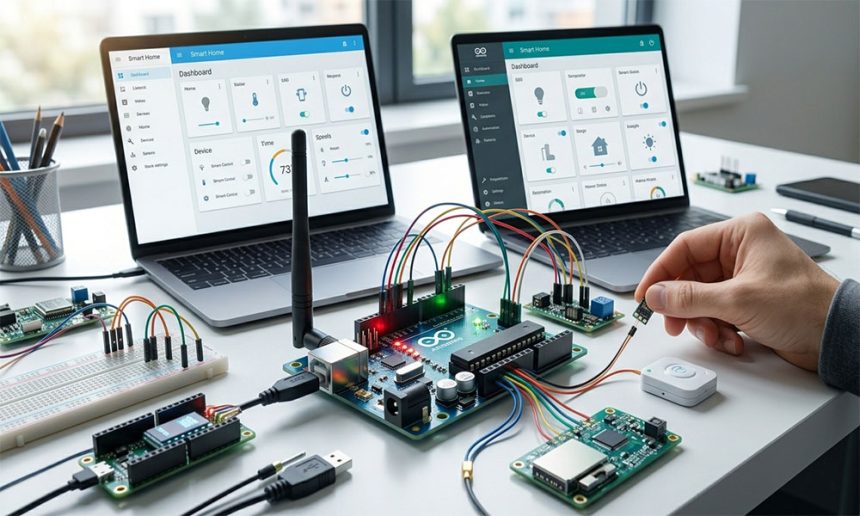
The Internet of Things (IoT) industry is growing rapidly, and developers are constantly searching for smarter, smaller, and more energy-efficient hardware solutions. One name that is gaining attention in this space is Antennino. Many developers and electronics enthusiasts are now using Antennino for building wireless sensor networks, smart home systems, and battery-powered IoT projects.
The rising popularity of Antennino is mainly linked to its low-power performance, wireless communication features, and compatibility with modern IoT development needs.
Whether you are a beginner working on DIY electronics or a professional developer creating smart automation systems, Antennino offers a practical and efficient solution.
What Is Antennino?
Antennino is a lightweight IoT hardware board created for projects that require efficient wireless communication and reduced power usage.



Developers commonly use it in smart devices and sensor-based systems that need to run continuously for extended periods without quickly draining battery power.
Unlike many traditional microcontroller boards, Antennino focuses heavily on wireless communication and power efficiency.
The board is especially attractive for developers who need:
- Low energy consumption
- Wireless connectivity
- Compact hardware size
- Long battery life
- Easy integration with IoT systems
Because of these features, Antennino is becoming a preferred choice in modern IoT development.
Why Low-Power IoT Devices Matter
Low-power technology is one of the biggest priorities in the IoT industry. Many IoT devices work in remote locations where frequent battery replacement is difficult and expensive.
For example, wireless sensors used in agriculture, smart homes, or industrial monitoring systems may need to run continuously for months or even years.
Low-power IoT devices provide several important benefits:
- Longer battery life
- Reduced maintenance
- Lower operating costs
- Better energy efficiency
- Improved device reliability
This is where Antennino stands out. Its architecture is designed to reduce unnecessary power usage while maintaining stable wireless communication.
Key Features of Antennino
Antennino offers a combination of practical functions that support efficient IoT development and reliable wireless connectivity.
Energy-Efficient Performance
One of the main reasons behind the popularity of Antennino is its low power consumption. The board can remain active for long durations without draining the battery quickly.
This feature is extremely important for:
- Remote monitoring devices
- Smart agriculture systems
- Environmental sensors
- Home automation systems
Developers looking for energy-efficient microcontrollers often choose Antennino because it helps create sustainable IoT solutions.
Wireless Communication Support
Wireless connectivity is another major advantage of Antennino. Many IoT devices depend on stable communication between sensors and control systems.
Antennino supports wireless networking, which allows devices to send and receive data efficiently. This makes it suitable for:
- Smart home automation
- IoT sensor networks
- Wireless tracking systems
- Industrial IoT applications
Wireless communication also reduces the need for complicated wiring, making installations cleaner and more flexible.
Compact and Lightweight Design
Modern IoT devices often require small hardware components. Antennino’s compact size allows developers to build portable and space-saving devices.


Its lightweight structure is useful for:
- Wearable electronics
- Portable IoT gadgets
- Mini sensor systems
- Compact automation devices
This flexibility makes Antennino attractive for both hobbyists and professional developers.
Easy Integration With IoT Projects
Another reason why developers prefer Antennino is its compatibility with common IoT development environments. Beginners can also work with the board more easily compared to advanced industrial systems.
This beginner-friendly approach is helping Antennino gain popularity among students and electronics learners.
Popular Applications of Antennino
Antennino is now being used in various industries and smart technology projects.
Smart Home Automation
Smart homes rely heavily on wireless communication and energy efficiency. Antennino can power devices like:
- Smart lighting systems
- Wireless door sensors
- Temperature monitors
- Motion detection systems
Because the board consumes less power, smart home devices can operate for longer periods without battery replacement.
Agricultural Monitoring Systems
Farmers are increasingly using IoT devices to monitor crops, soil conditions, and irrigation systems.
Antennino works well in agriculture because it supports low-power wireless sensor networks. Sensors placed in fields can collect environmental data and transmit it efficiently.
Common agricultural applications include:
- Soil moisture monitoring
- Weather tracking
- Irrigation control
- Greenhouse automation
These systems help improve farming efficiency while reducing manual labor.
Environmental Monitoring
Environmental monitoring projects often require sensors to operate in remote areas for long periods.
Antennino helps developers build systems for:
- Air quality monitoring
- Water quality tracking
- Temperature analysis
- Wildlife observation
Its low-power capabilities make it ideal for long-term environmental data collection.
DIY IoT Projects
Electronics hobbyists and students are also adopting Antennino for DIY projects.
Popular beginner projects include:
- Wireless weather stations
- Smart energy meters
- Home security systems
- IoT notification devices
The growing maker community is helping increase awareness of Antennino worldwide.
Antennino vs Traditional IoT Boards
Many developers compare Antennino with traditional boards like Arduino and other IoT development boards.
Here are some important differences:
| Feature | Antennino | Traditional IoT Boards |
| Power Consumption | Very Low | Moderate to High |
| Wireless Features | Built-In | Sometimes External |
| Battery Efficiency | Excellent | Average |
| Compact Size | Small | Often Larger |
| IoT Optimization | Strong | General Purpose |
Traditional boards are still useful for many projects, but Antennino offers better efficiency for low-power applications.
Benefits of Using Antennino
There are several reasons why developers are switching to Antennino for wireless IoT systems. Its combination of low power consumption, wireless functionality, and compact design makes it highly suitable for modern IoT environments.
Below are some of the biggest advantages of using Antennino in smart technology projects.
Longer Device Lifespan
One of the biggest benefits of Antennino is its ability to extend device lifespan. Since the board consumes very little energy, connected devices can continue operating for much longer periods without interruption.
This advantage is extremely useful for:
- Outdoor monitoring systems
- Battery-powered sensors
- Smart farming equipment
- Remote IoT installations
In many cases, devices powered by traditional boards require frequent charging or battery replacement. Antennino reduces this issue significantly by improving energy efficiency.
Lower Operational Costs
Energy-efficient IoT hardware can help companies reduce long-term operating expenses. Antennino is designed to consume less power while still maintaining reliable wireless communication.
Lower power usage can reduce costs related to:
- Battery replacement
- System maintenance
- Power management
- Equipment servicing
For large IoT networks with hundreds of sensors, these savings can become very important over time.
Better Wireless Flexibility
Wireless connectivity is one of the strongest features of Antennino. Developers can create systems without depending heavily on physical cables or complicated wiring.
This flexibility offers several advantages:
- Faster device installation
- Cleaner project design
- Easier scalability
- Improved mobility for devices
Wireless systems are especially useful in smart homes, industrial automation, and environmental monitoring projects where wired connections may not be practical.
Ideal for Remote Systems
Many IoT devices operate in remote or difficult-to-access locations. In such environments, low-power hardware becomes essential.
Antennino performs well in remote systems because it can run efficiently on battery power for extended periods.
Examples include:
- Agricultural monitoring stations
- Forest environmental sensors
- Water quality tracking devices
- Wildlife observation systems
In remote locations, reducing maintenance requirements is critical. Antennino helps developers build systems that can function reliably with minimal human intervention.
Beginner-Friendly Development
Another important benefit of Antennino is its accessibility for beginners and hobbyists.
Many newcomers to IoT development prefer hardware platforms that are simple to understand and easy to integrate into projects. Antennino supports this learning process through its compact design and practical functionality.
Beginners can use Antennino for projects such as:
- Smart temperature monitors
- DIY home automation
- Wireless alarm systems
- IoT-based school projects
This beginner-friendly nature is helping Antennino gain popularity among students and electronics enthusiasts worldwide.
Strong Support for Wireless Sensor Networks
Wireless sensor networks are becoming increasingly common in industries like agriculture, healthcare, logistics, and manufacturing.
Antennino supports these systems effectively because it is optimized for low-power wireless communication.
Benefits for sensor networks include:
- Reliable data transmission
- Reduced energy consumption
- Better scalability
- Longer sensor uptime
These features make Antennino a practical solution for modern IoT infrastructure.
Compact Design for Small Devices
Modern IoT products are becoming smaller and more portable. Antennino’s compact size allows developers to build lightweight and space-saving devices.
This is especially useful for:
- Wearable technology
- Portable smart gadgets
- Compact monitoring tools
- Embedded electronics projects
Smaller hardware can improve portability while also reducing manufacturing complexity.
Better Sustainability and Energy Efficiency
Energy-efficient electronics are becoming more important as industries focus on sustainability and environmental responsibility.
Antennino supports green technology goals by reducing unnecessary energy consumption.
This helps:
- Lower electricity usage
- Reduce battery waste
- Improve energy management
- Support eco-friendly IoT systems
As more companies adopt sustainable technology practices, low-power development boards like Antennino are expected to become even more valuable.
Flexible Integration With Smart Systems
Antennino can work alongside many different IoT components and smart technologies. Developers can integrate it into existing systems without major hardware complications.
This flexibility allows smoother integration with:
- Smart home ecosystems
- Cloud monitoring platforms
- Automation systems
- Industrial IoT networks
Flexible integration saves development time and improves project scalability.
Growing Interest in the IoT Community
The IoT development community is constantly searching for efficient and practical hardware solutions. Antennino is attracting attention because it addresses common problems related to battery life and wireless communication.
More developers are now discussing Antennino in:
- DIY electronics forums
- IoT development communities
- Smart technology blogs
- Educational projects
As awareness increases, Antennino may continue gaining popularity in both professional and hobbyist markets.
Challenges and Limitations
Although Antennino has many advantages, it may not be suitable for every situation.
Some limitations include:
- Limited processing power for advanced computing tasks
- Smaller community support compared to Arduino
- Specialized use mainly focused on low-power applications
However, for wireless sensor systems and energy-efficient devices, Antennino remains highly effective.
The Future of Antennino in IoT Technology
The future of IoT depends heavily on energy efficiency and wireless communication. As more industries adopt smart technology, the demand for low-power IoT devices will continue increasing.
Antennino is well-positioned to benefit from this trend because it offers:
- Energy-efficient performance
- Compact hardware design
- Reliable wireless connectivity
- Scalable IoT integration
Experts expect more developers to use boards like Antennino in smart cities, industrial automation, healthcare monitoring, and connected home systems.
As IoT technology continues evolving, low-power platforms will become even more valuable.
Conclusion
Antennino is becoming popular in low-power IoT devices because it provides the right combination of wireless communication, compact design, and energy efficiency.
Developers need reliable hardware that can operate for long periods without consuming excessive power, and Antennino meets those requirements effectively.
From smart home automation to environmental monitoring and agricultural systems, Anten nino is helping developers create practical and sustainable IoT solutions. Its beginner-friendly nature and support for wireless sensor networks also make it attractive for students, hobbyists, and professionals alike.
As the IoT industry continues growing, Antennino may become an even more important tool for building efficient and connected smart devices.