




Quick Summary
- Heat is tough on electrical cables. In many industrial environments, it’s one of the main reasons wiring starts to deteriorate long before anyone expects it to.
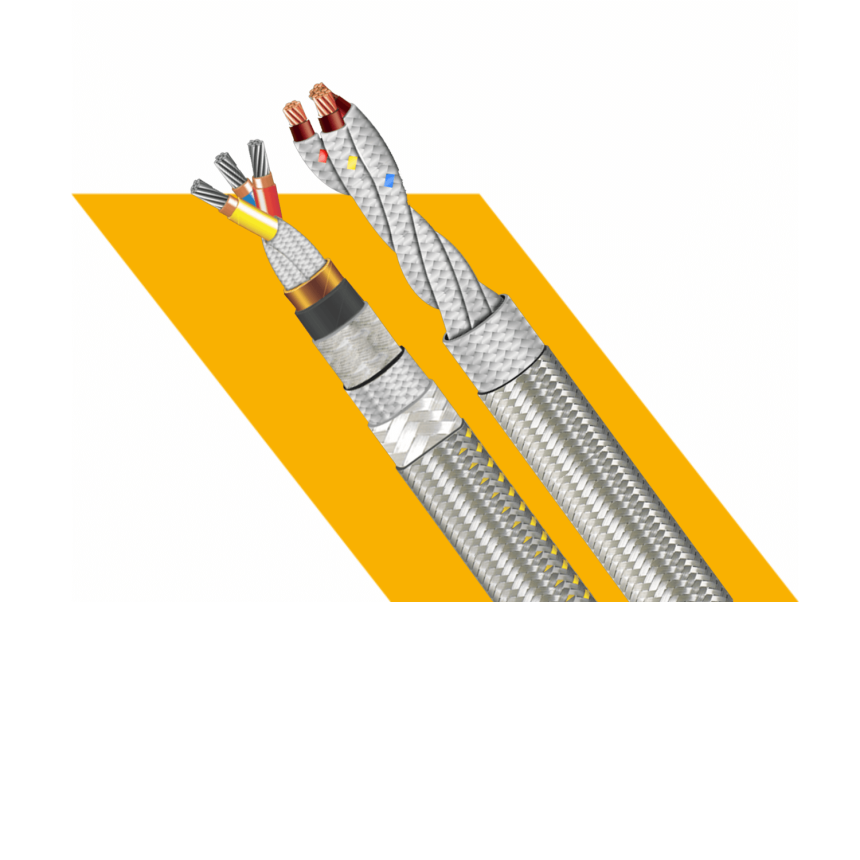
- Hitzebeständige kabel are designed for conditions where standard cables often struggle, especially around furnaces, ovens, process heaters, and other high-temperature equipment.
- When a cable fails, the problem rarely stops there. A single electrical issue can trigger maintenance visits, slow production schedules, interrupt operations, and create extra pressure for teams already managing tight deadlines.
- Heat can be hard on wiring. Over time, excessive temperatures may damage insulation, increase the chance of short circuits, and create electrical faults that often appear without much warning.
- That’s why heat-resistant cables are commonly used in industries where high temperatures are simply part of daily operations.
- Choosing the right cable from the beginning can save a lot of trouble later. Less reactive maintenance, fewer replacements, and fewer interruptions are all part of the picture.
As German industries modernise and automate, cable reliability is becoming more important than ever.
When industrial managers think about operational risk, they usually focus on the big stuff. Production lines, motors, furnaces, control systems, and automated machinery. That’s where most of the attention goes.
But some of the most expensive failures don’t start there.
A cable exposed to too much heat slowly loses its insulation properties. Connections weaken. Electrical performance becomes unstable. None of it happens overnight, which is exactly what makes it so easy to miss.


In a lot of facilities, wiring systems installed years ago are still expected to perform under conditions that have become far more demanding. Higher production targets, more automation, longer operating hours. That puts serious stress on electrical infrastructure.
There’s a growing gap between what industrial systems need and what aging wiring can safely deliver.
This is where hitzebeständige kabel starts to make sense. They’re built for places where heat isn’t an occasional issue but part of everyday operation. For facilities trying to avoid unexpected shutdowns, electrical faults, and recurring maintenance problems, choosing cabling that can tolerate those conditions is often a practical decision rather than a technical luxury.
Why Heat Creates So Many Problems for Industrial Cables
Most people don’t think much about cables until something stops working.
The problem is that heat tends to damage wiring slowly. Nothing dramatic happens at first. The cable keeps doing its job, production continues, and nobody notices much. Then months later, insulation becomes brittle, small cracks begin to appear, and electrical performance isn’t quite what it used to be.
That’s usually how these issues start.
Industrial facilities can be particularly demanding environments. A cable routed near a furnace, heat-treatment line, industrial oven, or boiler may spend years exposed to temperatures that would be unusual in many other settings. A cable doesn’t always show clear signs that heat is affecting it. From the outside, everything may look perfectly normal. No visible damage. No obvious warning. Yet months or even years of exposure to higher temperatures can slowly wear it down, reducing its lifespan long before anyone notices there’s a problem.
And the source of that heat isn’t always something dramatic.
Sometimes it’s a furnace or a boiler nearby. Other times, it’s simply the environment the cable sits in every day. Crowded electrical panels, machines packed into a limited space, poor ventilation, or equipment that rarely gets a break between shifts can all contribute to warmer operating conditions. In quite a few facilities, it’s not one major issue causing the stress. It’s a collection of smaller factors that build up over time and create conditions that are harder on electrical systems than people realise.
Without the right cabling, those conditions create reliability issues that eventually hit both productivity and safety.
How Hitzebeständige Kabel Actually Work
From the outside, a heat-resistant cable doesn’t always look very different from a standard one. That’s probably why people sometimes underestimate how much difference the materials inside can make.
The real distinction comes down to what the cable is made of and how those materials respond when temperatures stay high for long periods. In many industrial settings, heat isn’t a temporary event. Equipment runs for hours, sometimes around the clock, and nearby wiring has to cope with those conditions day after day without losing reliability.
The materials used inside hitzebeständige kabel can vary quite a bit depending on where the cable is expected to operate. In some applications, manufacturers use silicone. In others, fibreglass or different heat-tolerant insulation materials may be a better fit. The exact construction varies, but the objective stays pretty much the same. Keep the cable working safely even when surrounding temperatures would put heavy stress on ordinary wiring.
For maintenance teams, that’s one less thing to worry about. And anyone who’s spent time dealing with unexpected electrical faults knows those small advantages can become important surprisingly quickly.
Why Safety Often Drives the Decision
When facilities decide to upgrade cabling, safety is usually part of the conversation. Sometimes it’s the main reason.
An electrical fault isn’t always limited to a single cable. A damaged section of wiring can trigger equipment stoppages, create repair work that wasn’t planned, or, in more serious situations, increase fire risk around production areas. That’s not something most operators want to discover during a busy production week.



Certain industries face these challenges more often than others because high temperatures are simply part of normal operations.
You’ll commonly see heat-resistant cabling used in:
- Steel manufacturing facilities
- Glass production plants
- Chemical processing operations
- Power generation sites
- Heavy engineering environments
In places like these, elevated temperatures aren’t unusual events that happen once in a while. They’re part of the working environment every single day. Choosing cabling that can cope with those conditions helps reduce risk and gives both maintenance teams and operators a little more confidence in the systems they depend on.
And as regulatory scrutiny around workplace safety keeps increasing in Germany, getting ahead of these risks matters more than ever.
Wrapping Up
When people talk about improving reliability, the conversation usually turns to new machinery, automation projects, or major equipment upgrades. Those things matter, sure. But sometimes the difference between a smooth production week and an unexpected shutdown comes down to something much simpler.
The wiring.
Cables spend years doing their job without attracting much attention. That’s kind of the point. For facilities operating in high-temperature environments, choosing hitzebeständige kabel isn’t really about following a trend or adding another specification to a procurement checklist. It’s about reducing avoidable risk and giving critical systems a better chance of performing consistently over the long run.
Industrial teams already have enough challenges to manage. Unexpected electrical issues don’t need to be one of them.
As manufacturers across Germany continue pushing for higher performance, stronger safety standards, and more dependable operations, companies such as Tempsens provide heat-resistant cable solutions designed for the demanding conditions many facilities face every day.