

Introduction
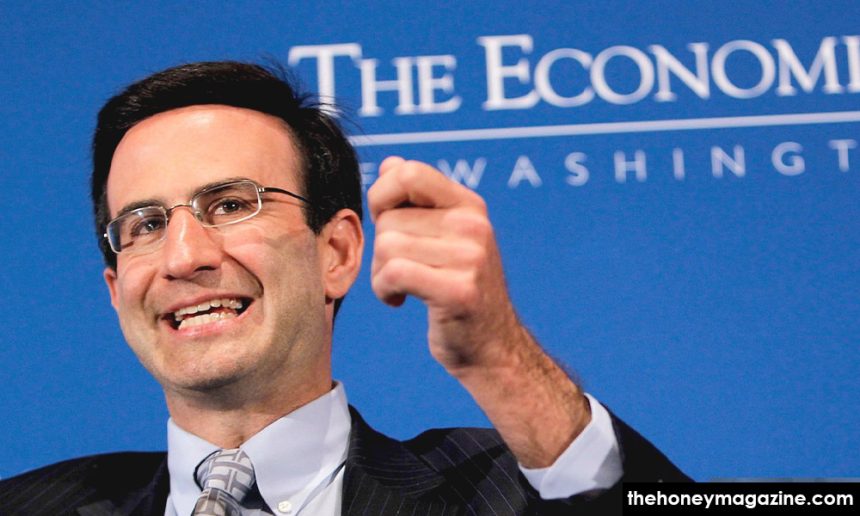
The topic of Peter Orszag hair is not driven by controversy or major transformation, but by subtle curiosity that often surrounds well-known public figures. Peter Orszag is primarily recognized for his work in economics and public policy, yet like many individuals in visible leadership roles, aspects of his appearance occasionally become part of public discussion.
In this case, interest in his hairstyle reflects a broader pattern in how audiences observe consistency, familiarity, and presentation in public life. Rather than focusing on change, the conversation tends to revolve around stability and recognition over time.
This article looks at how professional image is formed, why consistency matters, and how small visual details become part of public perception.
Who Is Peter Orszag?
Peter Orszag is an American economist and executive known for his influential work in government and finance. He served as the Director of the Office of Management and Budget in the United States and later moved into senior leadership roles in major financial institutions.


His career has been defined by economic policy, healthcare reform discussions, and financial strategy. Because of his frequent appearances in interviews and professional forums, he has maintained a steady public presence for many years.
This visibility naturally shapes how people perceive him not only through his work but also through his overall presentation in public settings.
Why His Appearance Attracts Subtle Attention
Interest in Peter Orszag’s appearance does not stem from dramatic changes, but rather from repeated exposure in professional environments. When a public figure appears consistently over time, audiences begin to recognize even small details.
The discussion around Peter Orszag hair is an example of how familiarity influences perception. People tend to notice what remains consistent as much as what changes, especially when viewing someone across different years and settings.
Several factors contribute to this:
- Frequent media and conference appearances
- Natural comparison between past and present visuals
- Increased attention in digital media environments
- Human tendency to recognize familiar faces and patterns
Over time, this leads to small aspects of appearance becoming more noticeable than they might otherwise be.
Executive Grooming and Professional Presentation
In leadership and finance environments, grooming is generally guided by professionalism rather than personal experimentation. The goal is to maintain a neutral and credible appearance that aligns with institutional expectations.
Peter Orszag’s overall grooming style reflects this executive approach, where consistency is valued over frequent change.
Common characteristics of this style include:
- Clean and well-maintained hairstyle
- Neutral, professional appearance
- Minimal visual distraction
- Stability across different public appearances
This approach ensures that attention remains focused on ideas and communication rather than appearance.
Why Consistency Shapes Public Perception
Consistency plays a powerful role in how individuals are perceived in public life. When someone maintains a stable appearance over many years, that stability becomes part of their identity in the minds of audiences.
In discussions related to Peter Orszag hair, consistency is often what stands out most not because it changes, but because it remains familiar across time.
Key effects of consistency include:
- Stronger recognition across platforms
- Easier association with professional credibility
- Reduced distraction from core messaging
- Reinforcement of a stable public image
In many ways, consistency becomes a form of silent branding for public figures.
Subtle Observations and Human Perception
People naturally pay attention to familiar faces. When someone appears repeatedly in professional or media environments, even minor visual details can become noticeable.
This is not specific to any one individual but a general feature of human perception.



Factors that influence these observations include:
- Differences in lighting or camera quality
- Variation in styling across events
- Natural aging over time
- Context of different appearances
Because of these variables, perceived changes are often more subjective than objective.
Professional Image vs Personal Identity
A clear distinction exists between personal identity and professional image. Personal identity reflects private self-expression, while professional image is shaped by expectations of public roles.
For individuals in high-level economic and policy positions, professional image tends to remain controlled and consistent. This is why appearance often appears stable across years of public engagement.
In such roles, emphasis is placed on:
- Expertise and credibility
- Clear communication
- Institutional trust
- Professional consistency
Appearance supports these goals rather than defining them.
Why Simple Styles Often Stand Out
Interestingly, simplicity in appearance can sometimes create a stronger impression than frequent change. When a public figure maintains a consistent look, it becomes part of how they are recognized over time.
This applies to discussions around Peter Orszag’s hairstyle as well. The consistency itself becomes memorable.
Simple grooming often communicates:
- Professional discipline
- Stability in public presence
- Focus on work rather than image
- Long-term consistency
These qualities are often associated with leadership roles where reliability matters more than style variation.
Conclusion
The interest in Peter Orszag hair reflects a broader pattern in how audiences perceive public figures. It is not about dramatic changes or specific events, but about how consistency and familiarity shape recognition over time.
Peter Orszag’s professional image remains closely aligned with the expectations of leadership roles in economics and finance, where stability and credibility are central. Over time, this consistency naturally becomes part of how individuals are visually remembered.
Ultimately, the attention given to such details highlights a simple reality: in public life, even subtle and unchanged aspects of appearance can become part of long-term perception, not because they are extraordinary, but because they are consistently seen.