







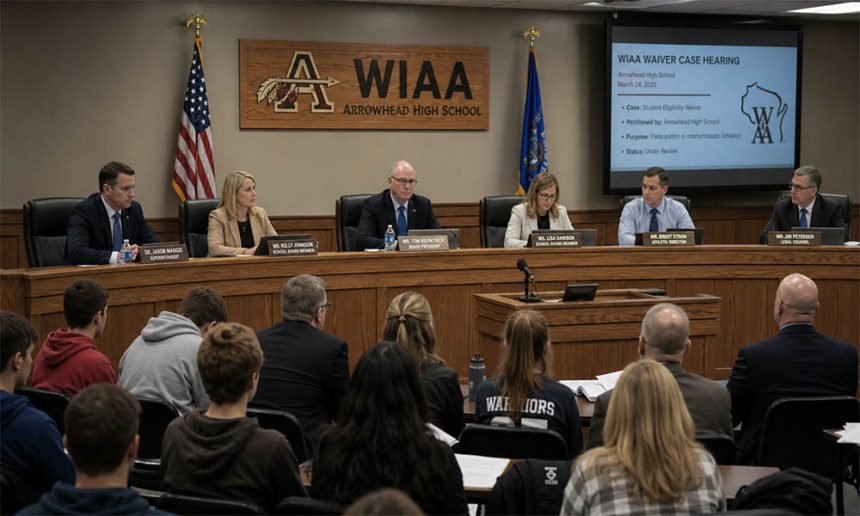
High school sports controversies usually stay local, but the WIAA Arrowhead High School waiver lawsuit has started a much bigger conversation across Wisconsin. Parents, students, coaches, and sports fans are all weighing in on the issue, and opinions are sharply divided.
At the center of the debate is a student-athlete eligibility waiver connected to transfer rules enforced by the Wisconsin Interscholastic Athletic Association, better known as the WIAA. While the case itself focuses on one situation, many families believe it highlights larger concerns about how eligibility decisions are handled in high school athletics.
For some people, the rules are necessary to keep competition fair. Others believe the system can sometimes feel too rigid, especially when students transfer schools for personal or family reasons rather than athletics. That disagreement is exactly why this story has gained so much attention.
What the WIAA Actually Does
The WIAA oversees high school sports throughout Wisconsin. From playoff structures to athletic eligibility rules, the organization plays a major role in how interscholastic sports operate across the state.
One of its biggest responsibilities involves transfer policies. When a student changes schools, the WIAA reviews whether that athlete should be allowed to compete immediately at the varsity level. These rules exist mainly to prevent recruiting and unfair competitive advantages between schools.
On paper, the system sounds simple. In reality, transfer situations can become complicated very quickly.
Students sometimes switch schools because of divorce, relocation, academic needs, family hardships, or other personal circumstances. In those situations, families may request a waiver that allows the student to remain athletically eligible without sitting out.
That is where the current WIAA waiver controversy began attracting attention.
Why the Arrowhead High School Case Matters
The Arrowhead High School lawsuit is not just about one athlete missing games. For many parents, it represents frustration with a process they believe can sometimes feel inconsistent or difficult to understand.
According to discussions surrounding the case, the disagreement centers on whether the student involved should have received immediate eligibility under current WIAA transfer guidelines. Supporters of the family argue that the circumstances justified approval, while others believe the organization followed existing policy correctly.
What has made the situation more emotional is the impact these decisions can have on students themselves.
High school athletics are deeply important for many teenagers. Sports often shape friendships, confidence, routines, and even college opportunities. When eligibility disputes happen during an active season, students can feel caught in the middle of a stressful legal and administrative process they cannot fully control.
That emotional side is one reason the high school sports waiver lawsuit continues getting attention online and in local communities.
Why Some Parents Are Frustrated
A major reason people are reacting strongly to the case is because many families see similarities to their own experiences with school athletics.
Some parents believe the waiver process lacks transparency. They feel decisions are not always explained clearly enough, especially when cases appear similar from the outside. Even when rules are followed correctly, confusion can still create frustration.
Timing is another major issue.
Eligibility reviews sometimes take long enough to affect a student’s season. Missing practices, games, or tournaments can be difficult for athletes who have trained for months. Parents argue that delays and uncertainty place additional pressure on teenagers who are already dealing with school responsibilities and social stress.
Another concern involves how transfer motivations are interpreted. Families often say not every school move is sports-related, yet strict policies can make legitimate transfers feel automatically suspicious.
Because of situations like these, the student athlete eligibility dispute has turned into a broader discussion about fairness in Wisconsin high school sports.
Understanding WIAA Transfer Rules
The WIAA transfer rules were originally designed to protect competitive balance. Without regulations, schools could potentially recruit talented athletes, creating uneven competition and damaging the integrity of student sports.
Most people involved in the debate agree that some rules are necessary. The disagreement usually comes down to how flexible those rules should be.
Under current guidelines, transferred students may face restrictions on varsity participation unless they qualify for an eligibility waiver. The WIAA reviews factors such as residency changes, family circumstances, and educational reasons before making a decision.
The challenge is that every family situation is different.
A policy that seems reasonable in one case may feel unfair in another. That gray area is what often creates controversy surrounding waiver decisions.
Supporters of the WIAA believe strong enforcement helps prevent manipulation of the system. Critics argue that overly strict interpretations can unintentionally punish students who moved schools for completely valid reasons unrelated to athletics.
As a result, the WIAA eligibility waiver process remains one of the most debated topics in Wisconsin high school athletics.
The Legal Side of the Dispute
Sports-related legal disputes have become more common across the country over the last several years. Courts are increasingly being asked to review cases involving eligibility rules, transfer policies, and student participation rights.
In the Wisconsin high school athletics lawsuit, the legal focus may involve whether policies were applied fairly and whether the review process treated the student appropriately under existing guidelines.
Cases like this are rarely simple.
Courts generally avoid interfering heavily in athletic governance unless there are concerns about unfair treatment, inconsistent enforcement, or procedural problems. Because of that, lawsuits involving school sports often become as much about policy interpretation as the actual outcome itself.
Even if no major legal changes happen, public pressure alone can still influence future decisions. Athletic associations frequently review policies when controversies generate significant community attention.
That is why many people are closely watching how this situation develops.
Mixed Reactions Across the Community
The reaction to the Arrowhead athletic eligibility case has been divided from the beginning.
Some parents strongly support the family involved and believe students deserve more flexibility when dealing with personal or family-related school transfers. Others feel the WIAA is simply enforcing rules that already apply equally to every school.
Coaches and administrators often end up in difficult positions during these situations. They want to support student-athletes while also respecting association policies they are required to follow.
Meanwhile, online discussions about the lawsuit continue growing. Sports fans, parents, and local residents have been debating whether current transfer rules still match the realities of modern high school athletics.
In many ways, the conversation has moved beyond a single waiver decision and turned into a larger debate about how fairness should actually be defined in youth sports.
Could This Lead to Rule Changes?
One of the biggest questions surrounding the WIAA policy challenge is whether the controversy could eventually push the organization toward policy adjustments.
Across the United States, several athletic associations have already updated transfer rules in response to public criticism and changing student circumstances. Some states now allow greater flexibility for hardship cases or family-related moves.
Whether Wisconsin eventually moves in that direction remains unclear.
Supporters of reform believe clearer communication and faster review timelines would improve trust in the waiver process. Others worry that loosening standards too much could increase recruiting concerns and create imbalance between athletic programs.
Finding a middle ground is difficult, which is exactly why these debates continue happening nationwide.
Final Thoughts
The WIAA Arrowhead High School waiver lawsuit has become about far more than one eligibility decision. It has sparked serious conversations about transparency, fairness, student opportunities, and the future of transfer policies in Wisconsin athletics.
Parents frustrated by the situation believe students deserve a process that feels more understandable and compassionate. Supporters of strict enforcement argue that consistent rules are necessary to protect competitive integrity. No matter where people stand, the case has already shown how emotional and complicated high school sports policies can become when real students and families are involved.