


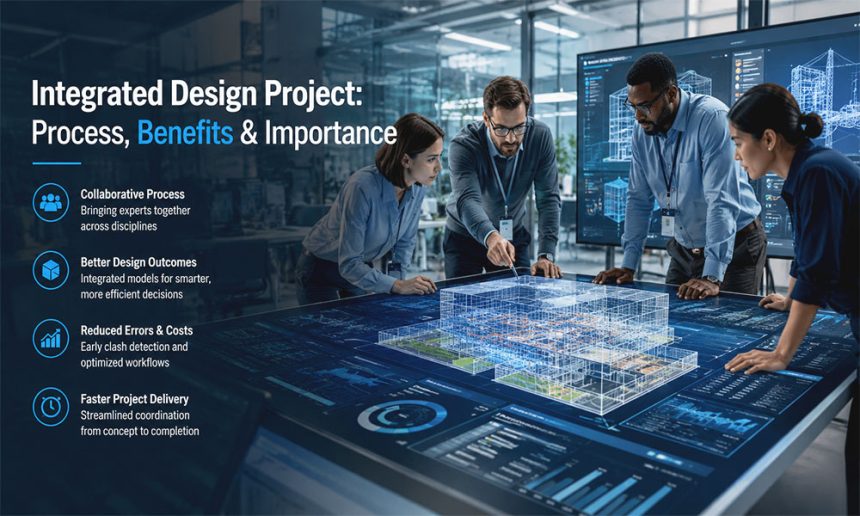
An integrated design project is a collaborative method where different experts and teams work together from the start of a project. Instead of managing design, planning, and execution separately, all stages are connected in one workflow.
This approach is common in engineering, construction, software development, and product design because it improves communication, reduces errors, and increases project efficiency.
As industries become more advanced, many businesses and educational institutions now use integrated project design methods to improve teamwork and innovation.
This process helps teams solve problems faster while keeping project goals aligned throughout the development stage.

Understanding the Concept of an Integrated Design Project
An integrated design project involves multiple specialists working together toward a common goal from the beginning of the project. Instead of completing tasks in separate stages, team members collaborate during planning and development to share ideas, improve coordination, and create more effective solutions.
For example, in a construction project, architects, engineers, contractors, and sustainability experts may collaborate from day one. This teamwork helps prevent design conflicts later in the project lifecycle. In software development, designers, developers, and testers can work together to create smoother digital products with fewer revisions.
The integrated design process focuses on coordination, communication, and shared decision-making. This approach creates a more balanced workflow and improves the chances of project success.
Key Elements of an Integrated Design Project
Several important elements make an integrated design project successful. Each component plays a role in ensuring smooth collaboration and efficient project execution.
Clear Communication
Strong communication is one of the foundations of integrated project design. Team members need to exchange information regularly so everyone stays updated on project goals, deadlines, and challenges.
Without proper communication, even well-planned projects can face delays or costly mistakes. Modern project management tools and digital collaboration platforms make this process easier by allowing teams to share updates in real time.
Cross-Functional Collaboration
Integrated projects rely heavily on cross-functional collaboration. Different specialists bring unique perspectives that improve the overall quality of the project.
For instance, an engineering design project may involve mechanical engineers, software developers, and manufacturing experts working together. Their combined expertise leads to more innovative and practical solutions.
Shared Project Goals
Every successful integrated design project starts with clearly defined goals. When all departments understand the project vision, they can make decisions that support the same outcome.
Clear project goals minimize misunderstandings and allow teams to focus on the most important tasks during every stage of development.
Continuous Feedback
Feedback is essential during every stage of project planning and design. Teams can identify potential problems early and make adjustments before issues become expensive or time-consuming.
Regular feedback sessions also support creative thinking by giving team members the confidence to share new ideas and practical solutions.
Why Is an Integrated Design Project Important?
An integrated design project is important because it improves efficiency, enhances teamwork, and creates better long-term results. Many industries now prefer integrated development approaches because traditional methods often lead to communication gaps and disconnected workflows.
Below are some major reasons why this approach matters in modern industries.
Improves Collaboration Between Teams
One of the biggest advantages of integrated design is better collaboration. Departments that normally work separately become part of a unified process.
This teamwork reduces misunderstandings and allows faster decision-making. When team members share information clearly and consistently, project activities progress in a more structured and efficient manner.



Reduces Project Errors
Traditional project workflows often create problems because design and implementation happen independently. Important details can be missed when teams do not coordinate properly.
Integrated system design reduces these risks by involving all stakeholders during the planning stage. Teams are able to detect potential issues at an early stage and resolve them before moving into construction or full development work.
Saves Time and Costs
Projects that follow an integrated design approach usually reduce both development time and overall costs by improving coordination and planning from the start. Since teams work together from the start, fewer revisions and delays occur later.
Efficient design collaboration also improves resource management. Businesses can avoid unnecessary expenses while maintaining high-quality results.
Encourages Innovation
An integrated design project creates an environment where creative ideas can grow. Team members from different backgrounds contribute unique perspectives and problem-solving methods.
This collaborative design approach often leads to smarter products, more sustainable systems, and improved customer experiences.
Supports Sustainable Design Practices
Sustainability has become a major priority in modern engineering projects and construction planning. Integrated design helps teams include energy efficiency, environmental impact, and resource management during the early planning stages.
As a result, companies can create solutions that are both cost-effective and environmentally responsible.
Integrated Design Project in Modern Engineering
Modern engineering projects are becoming increasingly complex. Large-scale systems require coordination between multiple disciplines, including civil engineering, electrical systems, software integration, and manufacturing.
An integrated engineering solution allows these teams to work together effectively throughout the project lifecycle. Instead of solving issues after development begins, teams can predict and prevent problems during the design phase.
For example, automotive companies often use integrated development approaches when designing electric vehicles. Engineers, battery specialists, software developers, and production teams collaborate closely to ensure the final product performs efficiently and safely.
This method also improves innovation because every department contributes ideas during product development.
Applications of Integrated Design Projects
Integrated design projects are used in many industries because of their flexibility and effectiveness.
- Engineering and manufacturing
- Construction and architecture
- Software development
- Urban planning
- Product development
- Healthcare systems
- Educational research projects
Each industry benefits from better communication, stronger planning, and more efficient workflows.
In educational institutions, project-based learning programs often include integrated design projects to help students develop teamwork and problem-solving skills. Students gain practical experience by working on real-world design applications with classmates from different academic fields.
Common Challenges in an Integrated Design Project
Although integrated project design offers many benefits, it also comes with certain challenges. Organizations need proper planning and management to overcome these obstacles successfully.
Communication Barriers
Large teams may struggle with communication if processes are not clearly defined. Different departments sometimes use different technical terms or workflows, which can create confusion.
Regular meetings and digital collaboration tools help solve this issue by keeping everyone aligned.
Resistance to Change
Some organizations are used to traditional project management systems and may resist collaborative workflows. Employees may initially find integrated methods unfamiliar or difficult.
Training programs and leadership support can make the transition smoother and encourage team participation.
Complex Coordination
Managing multiple teams at the same time can become complicated, especially in large projects. Project managers need strong organizational skills to coordinate schedules, responsibilities, and deadlines effectively.
Proper workflow management systems are essential for maintaining project efficiency.
Best Practices for a Successful Integrated Design Project
Organizations can improve project outcomes by following proven integrated design strategies. These best practices help teams maintain productivity and collaboration throughout the project lifecycle.
Define Goals Early
Project goals should be clear from the beginning. Teams need to understand expectations, timelines, and performance targets before work starts.
A well-planned structure keeps the team aligned and prevents confusion throughout the project.
Use Collaborative Technology
Digital tools improve communication and document sharing between departments. Cloud-based platforms allow teams to track progress, manage tasks, and exchange feedback in real time.
Technology also supports efficient project lifecycle management by centralizing important project information.
Encourage Open Communication
Team members should feel comfortable sharing ideas and concerns during every stage of development. Open discussions help identify risks early and improve overall decision-making.
A culture of collaboration increases trust and strengthens teamwork.
Monitor Progress Regularly
Regular progress reviews help ensure the project stays on schedule. Managers can identify delays, resource shortages, or design conflicts before they become serious issues.
Frequent evaluations also improve accountability within the team.
The Future of Integrated Design Projects
The demand for integrated design projects is expected to grow in the coming years. Businesses are increasingly adopting collaborative design workflows because they improve innovation and efficiency.
Emerging technologies such as artificial intelligence, automation, and cloud computing are making integrated project management even more effective. These tools allow teams to analyze data faster, improve communication, and automate repetitive tasks.
Sustainability goals are also pushing industries toward integrated planning and design solutions. Companies now understand that collaboration is necessary for creating smarter and more environmentally responsible systems.
Educational institutions are also preparing students for this shift by emphasizing multidisciplinary teamwork and project-based learning experiences.
Conclusion
An integrated design project is more than just a modern project management strategy. It is a collaborative system that improves communication, innovation, and overall project success. By combining expertise from multiple disciplines, organizations can reduce errors, save resources, and create better long-term solutions.
From engineering and construction to software development and education, integrated project design continues to transform how teams work together.